


 October 31, 2025
 123
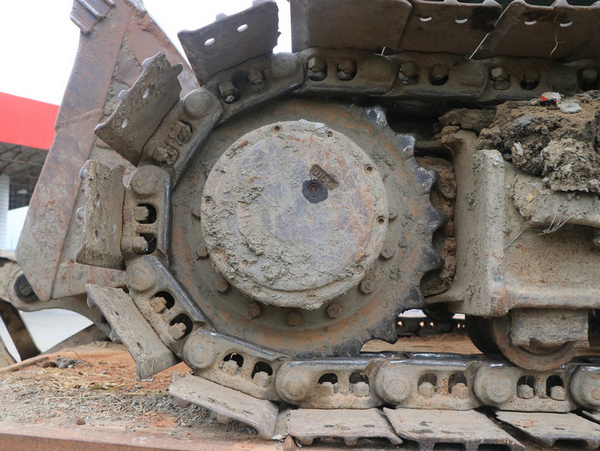
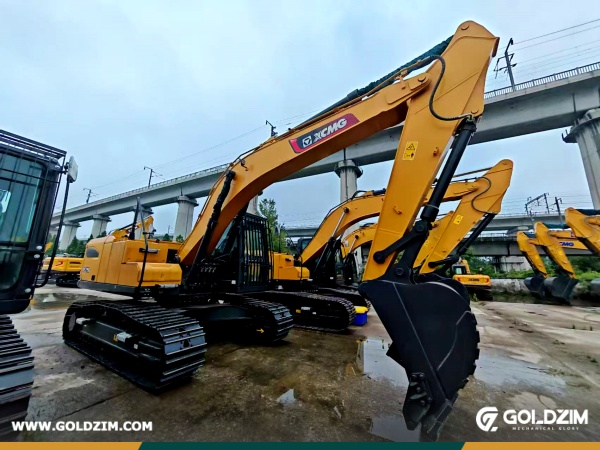
123CATERPILLAR tracks are widely used in construction machinery, forming part of the undercarriage system in crawler excavators. Given that excavators typically operate in harsh environments, issues such as track loosening, damage, or breakage are inevitable. What are the causes of track damage?
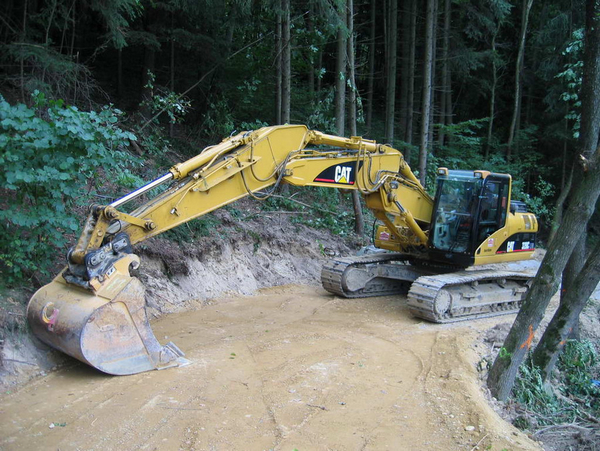
1. Operating on uneven terrain
During earthmoving operations, excavators frequently traverse uneven surfaces. Improper routing of the crawler-tracked excavator across such terrain causes the machine's weight to concentrate locally, increasing pressure points. This localized stress can damage sections of the track, leading to loosening.
2. Improper turning manoeuvres
During turns, one side of the tracks moves while the other remains stationary, creating significant rotational stress. If the stationary track encounters obstacles such as protrusions, it can become jammed against the rotating track, easily causing abrasion damage.
3. Prolonged continuous travel
Unlike road vehicles, excavators cannot sustain extended travel periods. Operators must strictly limit continuous track movement, as this not only severely damages the tracks but also shortens the machine's service life. Therefore, excavator movement must be carefully regulated.
4. Failure to Clear Debris from Tracks Promptly
During operation or movement, small stones or soil may enter the tracks. If not removed before travel, these particles become compressed between the drive wheels, idler wheels, and tracks as the tracks rotate. Over time, this causes track loosening and may lead to chain breakage.
5. Improper parking of the excavator
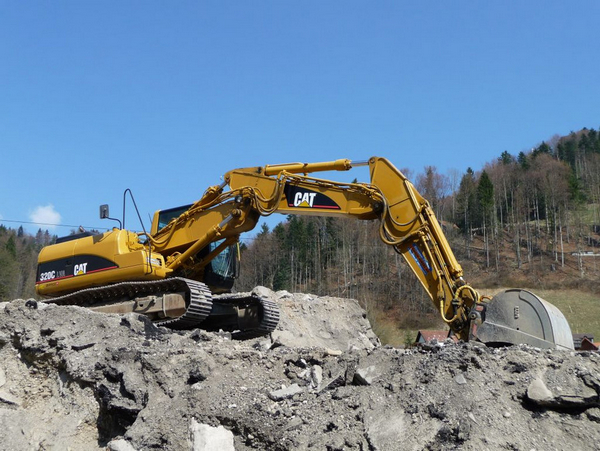
Parking a tracked excavator requires careful consideration; it must be positioned on level ground. Uneven surfaces cause uneven stress distribution across the tracks, with one side bearing disproportionate weight. This stress concentration can easily lead to track breakage or the development of cracks.



Goldzim Construction Limited
 +86-532-8579-6777
 +86-532-8579-6777
 +86-178-6290-1191
 +86-178-6397-6609

 Suite 2503, Block A, Tsingtao Center Mansion, No. 8 Hong Kong Middle Road, Shinan District, Qingdao, Shandong, China